Cricket is a bat-and-ball game played between two teams of eleven players on a field at the centre of which is a 22-yard (20-metre) pitch with a wicket at each end, each comprising two bails balanced on three stumps. The batting side scores runs by striking the ball bowled at the wicket with the bat (and running between the wickets), while the bowling and fielding side tries to prevent this (by preventing the ball from leaving the field, and getting the ball to either wicket) and dismiss each batter (so they are "out"). Means of dismissal include being bowled, when the ball hits the stumps and dislodges the bails, and by the fielding side either catching the ball after it is hit by the bat and before it hits the ground, or hitting a wicket with the ball before a batter can cross the crease in front of the wicket. When ten batters have been dismissed, the innings ends and the teams swap roles. The game is adjudicated by two umpires, aided by a third umpire and match referee in international matches.
Having originated in south-east England, it became the country's national sport in the 18th century and has developed globally in the 19th and 20th centuries. International matches have been played since 1844 and Test cricket began, retrospectively recognised, in 1877.
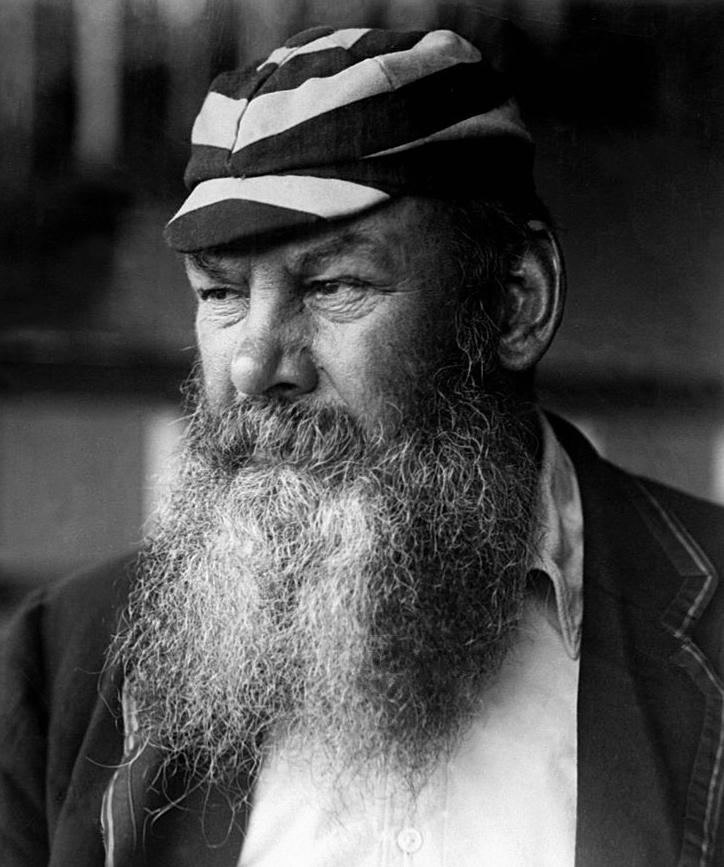
W.G Grace is the Father of cricket. He was an English amateur cricketer who was important in the development of the sport and is widely considered one of its greatest players. He played first-class cricket for a record-equalling 44 seasons, from 1865 to 1908, during which he captained England, Gloucestershire, the Gentlemen, Marylebone Cricket Club (MCC), the United South of England Eleven (USEE) and several other teams. His statue is also there at Lords stadium in England.